
Lenten Meditation
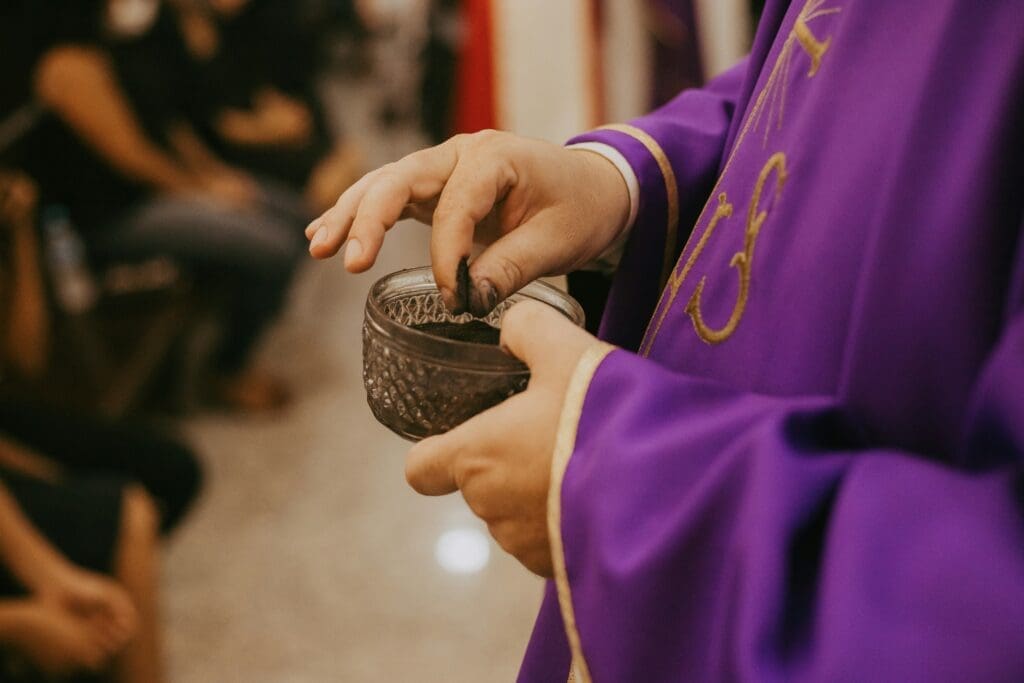
February is full of feasts, and begins, too, a time for us to fast. One of the original meanings in the prehistoric Germanic language of the word fast was to “hold oneself to observance (https://www.etymonline.com/word/fast). In Chapter 49 of the Rule of St. Benedict, we are given in a succinct paragraph a guideline on ways to “hold oneself to observance” in our commitment to follow the Lord. Other chapters in the RB show us more detail on St. Benedict’s teachings on food and drink—all of which read together show that moderation in all things and the care of the sick and elderly are paramount. Benedict was a practical man. Extremism was not upheld as a virtue. Some may remember that as children and sometimes even now for adults it was/is common to share what was ‘given up’ for lent. Probably, some have experienced that this could easily turn to one-upmanship. “I’m giving up x for lent, saying x # of prayers. What are YOU doing for lent?” This would not have been valued by St. Benedict. Rather, St. Benedict would have “us wash away in this holy season the negligences of other times”. This we can do in a fitting manner by refusing to indulge evil habits and by devoting ourselves to prayer with tears, to reading, to compunction of heart and self-denial.” And for what purpose? So that each of us will have something above the assigned measure to offer God of his own will with the joy of the Holy Spirit.
St. Benedict encourages us to make our desires known to the Abbot. It is a practical protection against extreme or overly zealous endeavors to ‘prove’ or show ourselves to God. As the readings for Ash Wednesday remind us, what pleases God the most is a contrite heart and humble spirit. While Oblates and Religious declare their Bona Operas to the Prioress, all are encouraged to share with a trusted Spiritual Director or Holy Amma or Abba their offerings to God, not only as a protection from extreme penances, but also for companionship on the spiritual journey.
Our world is busy. Adding additional to-dos during lent, as if we are training for the Olympics, is not necessary. Rather in this season of lent, let us focus on things we already do, and ask ourselves a fundamental question. Does this thing I do actually bring me closer to God, or drive me and others further away from Him? Lenten Prayer: Fast From, Feast On
Perhaps the best Lenten prayer ever:
During Lent, let us…
Fast from judging others; feast on the Christ within them. Fast from emphasis on difference; feast on the unity of life. Fast from apparent darkness; feast on the reality of light. Fast from thoughts of illness; feast on the healing power of God. Fast from words that pollute; feast on phrases that purify. Fast from discontent; feast on gratitude. Fast from anger; feast on patience. Fast from pessimism; feast on optimism. Fast from complaining; feast on appreciation. Fast from worry; feast on trust in God’s Care. Fast from unrelenting pressure; feast on unceasing prayer. Fast from facts that depress; feast on verities that uplift. Fast from lethargy; feast on enthusiasm. Fast from thoughts that weaken; feast on promises that inspire. Fast from shadows of sorrow; feast on the sunlight of serenity. Fast from problems that overwhelm; feast on prayer that undergirds. Fast from bitterness; feast on forgiveness. Fast from self-concern; feast on compassion for others. Fast from personal anxiety; feast on eternal truth. Fast from discouragements; feast on hope. -William Arthur Ward (American author, teacher and pastor, 1921-1994)-William Arthur Ward (American author, teacher and pastor, 1921-1994)
©️ All Rights Reserved. Designed and Hosted by CyberSpyder